
Enjoy the Peace of Winter – gliding across Tahoe’s winter white fluffy water

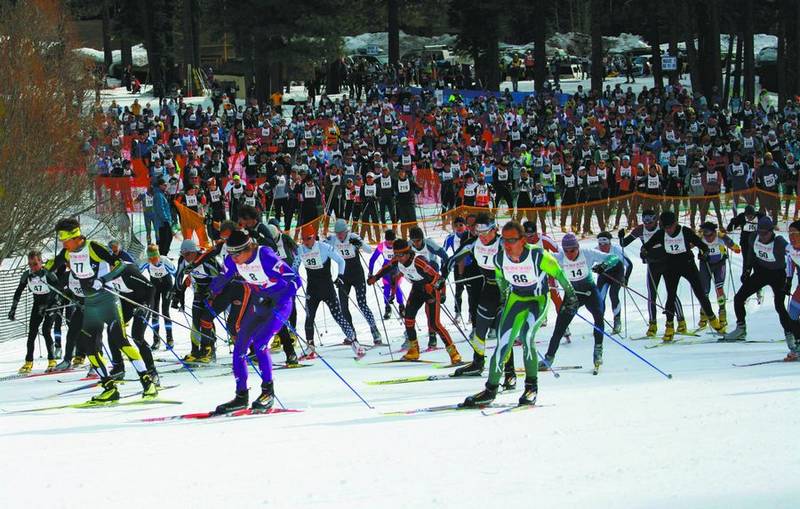
The Great Ski Race March 3, 2019
Mountains, valleys and desert terrain…thrive in 300 days of sun, lots of snow, but little rain. Our mission is to showcase adventures that create connection to the 8 Worlds of Tahoe. Below are those who lead by example:


Premium Mountain Bike Rentals and Shuttle Services for Lake Tahoe’s Premier Mountain Bike Trail.

Download Free E Book on things to do in Lake Tahoe that involve the land.
Geotourism…
Tahoe’s 21st Century Visitor Menu
Geotourism is destination stewardship; tourism that sustains or enhances the unique geographical, cultural, aesthetic, heritage, environmental and local well being of a place.
The key to sustaining Tahoe – is YOUR ACTIONS. Choosing activities that sustain or enhance the beauty of this; land, forest, water, wildlife, culture, community, heritage and air we all share. Sustainable Tahoe would like to make it easy for you to become a steward of the Lake while building a closer connection to the 8-Wonders of Tahoe:
Air, Water, Plant, Land, Wildlife, Culture, Community and Heritage
Hike to Hidden Beach
Tunnel Creek was named for the tunnel that moved timber on a water flume through a mountain to Carson City in the 1800’s. Tunnel Creek Station was also part of Ponderosa Ranch – the setting for the 1960’s TV show ‘Bonanza’. Easy 2 mile round trip walk from Tunnel Creek Station to Hidden Beach is great any time of year (although heavy snow may warrant snow shoes).
Drive or walk to Tunnel Creek Station and Café on Hwy 28. Note: Parking lot reserved for Café patrons, so park on hwy shoulder if you’re not eating or drinking at the Café.
Head up the paved road left of the Café, to the NV State Parks sign at top and lake views begin. Note: NV Parks recently installed a use permit box, so have $1 on hand to use the trail.
Follow the fire road (with amazing views) past gate to the fork. Head right, down the fork, to hwy and take new tunnel under hwy to the path that heads down the beach (go right for restroom and easy stair access to beach).
Leaving the beach, you can return the way you came or take the trail leaving the beach that eventually tracks inside the guard rail of hwy back to Incline. The trail ends about 1/4 mile from Tunnel Creek Station, so there is some hwy shoulder walking. Be safe and ENJOY!!!
Incline Flume Trail (bike or hike)
Incline Flume holds remains of the only Bull Wheel ever used in logging history. From 1880 to 1894, two steam-powered wheels hauled hundreds of cords of lumber a day up a 1,400 ft incline that were then floated, via a large wooden water flume, 3,994 feet through a mountain tunnel. Although the tunnel collapsed in 1957, remnants of the flume that carried the lumber are evident on the Incline and Marlette Flume hiking and biking trails.
Today it is a ‘social trail’ off Mt Rose about 0.5 miles beyond the scenic lake view point. There is a small dirt parking lot (5 cars max) or you can park across the hwy in a large pullout area. Be careful Xing.
The Bike ride is maybe 100 ft total climbing, some technical over creeks , roots and rocks, some granite single-track along edges (might make some height sensitive people nervous – but you can always walk it). The views are epic and unless you go in and back, the downhill (depending on which you choose) is a 6 to 800 ft descent.
Trail Navigation (about ½ mile in):
1st Fork go LEFT.
2nd ‘K’ Fork go Left cross intersecting trail, then go RIGHT
The trail traverses through forests of red fir, Jeffrey pine (3-needle), white pines (5-needle), and lodge pole pines (2-needle).
Ride #1: 4-mile single track trail to Diamond Peak Ski Resort. Choose an (easy) ski run down the mountain to Parking lot if you have a ride back.
Ride #2: 9 mile ride past Diamond Peak to Tunnel Creek Trail and head down sandy switchbacks to Tunnel Creek Café. use second car to return
Ride #3: 24 mile ride: When you get to Tunnel Creek Trail turn up and ride to the intersection of the FLUME – go right and follow the Flume to Marlette Lake …turnaround and ride back track to Tunnel Creek Station.
Note: if you choose the Tunnel Creek trail, stop off at the Mark Twain bench, to enjoy “the fairest picture the whole world affords”.
Options to get back to start: Leave 2nd car at ending point to drive back to start, or bike in and back again, vs. ride the downhill.
Bike the Flume
1870s Water Flumes, or elevated wooden channels, transported water from Marlette Lake to Incline Village lumber operations. From there water carried trees through an underground pipeline that took them all the way to Virginia City to support silver mining operations during the Comstock Era.
1983 Max Jones, a professional mountain biker seeing potential for an epic ride, spent his summer clearing brush, boulders and hacking through abandoned aluminum pipes by himself with nothing more than hand tools. Only during the final few days did he convince a local forest ranger to let him bring a chain saw to clear final debris and reveal a passable, and now world-class mountain bike trail.
(with bike) Ride to Tunnel Creek Station and then ride Tunnel Creek Trail up 800 ft of switchback fire road to the intersection, turn right at power lines for the Flume, ride to Marlette Lake and back.
$17 Shuttle from Tunnel Creek Station to Spooner Lake. Ride 5 mile 1,000 ft assent on fire road to Marlett Lake. X creek onto Flume Trail. Ride 4.5 miles to Tunnel Creek Trail and descend 800 ft to Tunnel Creek Station, 3 miles back to Tunnel Creek Station.
$15 Shuttle from Tunnel Creek Station to Tahoe Rim Trail on Mt Rose. Ride 9 miles on the Rim Trail (some technical but easy 200 ft gradual assent) to Tunnel Creek Trail. Head up Tunnel Creek to Flume and ride as much of the 4.5 miles as you like. Turn around at Marlett (or before) and head back to Tunnel Creek Trail and descend 800 ft in 3 miles to Tunnel Creek Station.
Bike Rental and Shuttle Information: Tunnel Creek Station 775-298-2501 : [email protected]
You can rent bikes at the Station, enjoy food and drink at Café and thank Max for making this epic and world famous trail possible!
Incline Creek Walk
From Lakeshore Blvd. catch the path just left of the Hyatt driveway and over-pass pedestrian tunnel…head toward the bridge.
Follow the path over the bridge along the creek under a canopy of trees. Take time to enjoy the benches along the way and tune into the water song.
The trail will come out on Incline Way. Cross over the street to heading toward the college. The path goes along a wooden post fence to the Demonstration Garden. Learn about our native and not so native plants. To your right past the garden will be the Tahoe Science Center, with wonderful interactive displays.
Winter walks and wildlife
Mt Rose Meadows offers some of the best local cross country ski and snow shoeing.
Park on the right side of the Hwy 431 as you enter the Meadow (leaving Incline). Head back along the tree line, then turn into the trees going uphill toward the view. You may just pass by a neighborhood of Chickadees. Hiker snacking has attracted the birds happy to see if they can snag a piece of your snack. If you do plan to offer them something make sure it is healthy seed.
Sledding and Skating
Mt Rose Meadows for (free) sledding. Park on the left side of Hwy 431 as you head up from Incline. Bring sleds, hike up hill …and fly down.
North Tahoe Regional Park in Tahoe Vista and Granlibakken Resort in Tahoe City also have a snow park (equipment is available at the resort)
Tahoe City Sports Park Sledding and Skating
251 N. Lake Blvd. Tahoe City, CA (530) 583-1516
Sun- Thurs 12:00 pm – 9:00 pm Fri– Sat 10:00 am – 10:00 pm Holidays 10:00 am – 9:00 pm
Truckee Ice Rink located in Truckee Regional Park.
1/2 mile south of Downtown Truckee in the Truckee River Regional Park on Old Brockway Rd. Public skating, skate rentals, a snack bar, group and private lessons for all age groups taught by experienced instructors, broomball leagues, and more!
The outdoor setting under tall pines, complete with bonfire, overhead lights, and music to skate by.
FEES: District Residents: Adult $5, Child $3 Non-Residents: $6 SKATE RENTALS: $2
Winter Sleigh Rides
A fun and unique way to tour the famous Sand Harbor in the winter is by sleigh ride! The Belgium Draft Horse knows the route and your Borges family Tour Guide knows the history, nostalgia and fun facts about Tahoe and this boulder beach paradise on the East Shore.
Sand Harbor is 3 miles from Country Club in Incline, heading south on Hwy 28.Lake Tahoe Blvd. Call to reserve your time and space 775 588-2953http://www.sleighride.com
Tahoe’s ‘Wild Beaches’
Tahoe’s ‘Wild Beaches’ begin 6 miles from Country Club Drive in Incline, heading south along Hwy 28. They are free to access with hiking and limit provisions. There is a State parking lot (free) if you get there early, otherwise it is shoulder parking (not so good for the Lake and increases traffic problems, so try for the parking lot. There is a restroom at the parking lot. Chimney Beach, Whale Beach and East Beach, can be accessed from this lot. These are pack-it-in and pack-it-out beaches, depending on the stewardship of all. Please be mindful of wildlife and leaving no trace.
Chimney Beach (head to trail straight ahead from parking lot)
Whale Beach (head down the fire road past the restrooms at parking lot.
Secret Harbor and Skunk Harbor are past the parking lot and Thunderbird Lodge
Bus to Bike along Truckee River
Easy Class 1 (paved path ) Bike ride to bring you closer to the water, wildlife and wonder of Tahoe’s West Shore & Truckee River (the river leaving Lake Tahoe headed NE to Pyramid Lake).
Taking TART (bus) to get you to Tahoe City, provides freedom from traffic , parking and allows everyone to enjoy the view. You can start your ride along the Truckee River , come back to the bus terminal and take off on the path along the Lake. Lots to stop and explore along the way.
The bike ride from Tahoe City to Squaw Valley is about 6 miles (one way).
From Transit Center to Tahoe Pines is also about 6 miles (one way).
TART Bus Stop on Lakeshore right across from Hyatt. Bus leaves 35 mins after each hour.
Take TART to Tahoe City Bus Terminal (64 Acres)
Ride over bridge to path that will take you to the trail along Truckee River. You can ride to River Ranch (restaurant with patio dining) or Squaw Valley and then turn around and head back to Tahoe City where you take paved bike trail along the West Shore.
Heritage: Gatekeepers Museum, Sugar Pine Park to ride through Old Growth Sugar Pines, tour the famous Erhman Mansion and Maritime Museum in Homewood. (Fees vary $5 to $15)
Lunch stops: Gatekeepers Museum picnic area (if you have food), or enjoy one of many deli / cafes along route: Syds’ (Tahoe City) Granlibackken, PDQ Market, Obexers (near Homewood).
When ready, jump back on TART as it moves north along West Shore. Use the Next Bus App to confirm stops or schedule. Enjoy!
Bus to a CA Beach Walk
While it is impossible to circle the lakefront on sand, there are a few spots where you can get a mile or more walk in, (esp. with drought low water). Here is a close and easy one using a beautiful Bus ride from Incline!
Take TART from Incline Village (on Lakeshore and Country Club, or on Hwy 28 west of Country Club) to the bus stop in front of Safeway right past the Hwy 287 intersection (first stop in Tahoe Vista). Right across the street you will see the North Tahoe Beach Open beach to your left and right. If you go right toward downtown Kings Beach, Java Hut makes for a nice beverage stop, just off the sand.
When you are ready to return, you just catch the nearest bus…you are car-free!
Dog Friendly Ski Beach (in winter)
In winter months (Oct 15 to Apr 15), Ski Beach in Incline Village allows dogs!
There is a small parking area right inside the gate (which is unmanned in winter), or you can park across the street at the Village Green where the large open area (grass or snow) is also a Dog Park. Either place your dog can run free and socialize with other dogs as you enjoy epic views of the lake and forest.
There are dog poop collection bags at both places. It is very important that you clean up after your dog, as everything that falls on the ground goes into the Lake and that is the water we all drink.
Great place to enjoy your morning coffee or evening sunset.
Tahoe in Depth – Science Center
Lake Tahoe’s story begins 400Million yrs ago!
Learn the secrets of this small and unique watershed, what local Limnologists are doing to help us protect it and what you can do to ensure it stays clear for years.
Or just come for the fun at the Tahoe Science Center:
Climb onto the Research Boat
Explore the Virtual Laboratory
Watch a 3D Visualization of how Tahoe formed
Shape the Watershed in an interactive sandbox
Tour the Leed-Certified Green Building
Walk through the Demonstration Garden
Located on Sierra Nevada College Campus
291 Country Club Dr, Incline Village
(775) 881-7566
Tuesday – Friday 1:00PM to 5:00PM
Memorial Day through Labor Day
Saturdays 1:00 – 5:00PM
Guided Tours start on the Hour
North Tahoe Disc Golf Course
Test your toss skills at Incline’s own Disc Golf Course!
A multi use area enjoyed by all ages , this 18 par 3’s is a challenging course in a forest setting along Hwy 28, next to the Visitors center, adjacent to the Incline Tennis Center, Recreation Center on Incline Way, and the skateboard park and the ball fields off Southwood.
Park at the Recreation Center located at 980 Incline Way (but not at the Incline Tennis Center).The 1st hole is located on the west side of the Recreation Center entrance road. Be mindful of the rules, watch out for branches, bring lots of friends and enjoy!
The TART bus stop is right across the street on Hwy 28 if you like to be car-free!
Fall Immersion at Spooner Lake
Aside from being the best place near Incline to immerse yourself in the fall palette, Spooner Lake is also home to the largest Aspen grove in Tahoe.
Spooner Lake was also a summer home for the original people of this land, the Washoe. You can find some grinding rocks near the lakes edge, as the Washoe outdoor kitchens seem to prefer great views.
The 2-mile loop takes you through a variety of terrains and wildlife habitat. Look up, sideways, as well as down, since many native Tahoe locals call this place home: Mule Deer, chipmunks, squirrels, raccoons, coyotes, eagles, variety of birds and our Black Bears (not harmful to humans, only looking for food).
Part of the trail is also the access route to the famous Flume Trail, so watch for bicycles. In the winter, the trail is great for snow shoeing and cross country skiing, although it may not be groomed.
For details on access and hosting from NV State Parks:
http://parks.nv.gov/parks/marlette-hobart-backcountry/
Local Night-Life Culture
Alibi for ‘Paint and Pint’ on Thursdays!
BREWERY AND PUBLIC HOUSE IN NORTH LAKE TAHOE
204 EAST ENTERPRISE, INCLINE VILLAGE, NEVADA 89451
775.298.7001
TAP ROOM HOURS
Monday 3-10pm HAPPY HOUR ALL NIGHT
Tuesday 3-10pm TRIVIA NIGHT
Wednesday 3-10pm POP UP SUSHI NIGHT
Thursday 3-11pm OPEN MIC NIGHT
Friday 12-11pm
Saturday 12-11pm LIVE MUSIC
Sunday 12-8pm DISCOUNT GROWLER DAY
Both locally owned and operated
Crystal Bay Club
Live entertainment, gambling, dining and $3.33 breakfast at Café Elise (before 11am)
775 833-6333
Cross Country Skiing – Tahoe City
TRAIL PASSES
All
Day
After
12:30pm
Twilight
3-5pm
Adult (18-59) $29 $25 $20
Junior (13-17) / Senior (60-69) $25 $20 $15
Child (12 & under) / Senior 70+ Free
Dogs* $5 each
Tahoe Cross Country
925 Country Club Drive
PO Box 7260
Tahoe City, CA 96145
(530) 583-5475
http://tahoexc.org/
Geotourism…
Tahoe’s 21st Century Visitor Menu
Geotourism is destination stewardship; tourism that sustains or enhances the unique geographical, cultural, aesthetic, heritage, environmental and local well being of a place.
The key to sustaining Tahoe – is YOUR ACTIONS. Choosing activities that sustain or enhance the beauty of this; land, forest, water, wildlife, culture, community, heritage and air we all share. Sustainable Tahoe would like to make it easy for you to become a steward of the Lake while building a closer connection to the 8-Wonders of Tahoe:
Air, Water, Plant, Land, Wildlife, Culture, Community and Heritage
Hike to Hidden Beach
Tunnel Creek was named for the tunnel that moved timber on a water flume through a mountain to Carson City in the 1800’s. Tunnel Creek Station was also part of Ponderosa Ranch – the setting for the 1960’s TV show ‘Bonanza’. Easy 2 mile round trip walk from Tunnel Creek Station to Hidden Beach is great any time of year (although heavy snow may warrant snow shoes).
Drive or walk to Tunnel Creek Station and Café on Hwy 28. Note: Parking lot reserved for Café patrons, so park on hwy shoulder if you’re not eating or drinking at the Café.
Head up the paved road left of the Café, to the NV State Parks sign at top and lake views begin. Note: NV Parks recently installed a use permit box, so have $1 on hand to use the trail.
Follow the fire road (with amazing views) past gate to the fork. Head right, down the fork, to hwy and take new tunnel under hwy to the path that heads down the beach (go right for restroom and easy stair access to beach).
Leaving the beach, you can return the way you came or take the trail leaving the beach that eventually tracks inside the guard rail of hwy back to Incline. The trail ends about 1/4 mile from Tunnel Creek Station, so there is some hwy shoulder walking. Be safe and ENJOY!!!
Incline Flume Trail (bike or hike)
Incline Flume holds remains of the only Bull Wheel ever used in logging history. From 1880 to 1894, two steam-powered wheels hauled hundreds of cords of lumber a day up a 1,400 ft incline that were then floated, via a large wooden water flume, 3,994 feet through a mountain tunnel. Although the tunnel collapsed in 1957, remnants of the flume that carried the lumber are evident on the Incline and Marlette Flume hiking and biking trails.
Today it is a ‘social trail’ off Mt Rose about 0.5 miles beyond the scenic lake view point. There is a small dirt parking lot (5 cars max) or you can park across the hwy in a large pullout area. Be careful Xing.
The Bike ride is maybe 100 ft total climbing, some technical over creeks , roots and rocks, some granite single-track along edges (might make some height sensitive people nervous – but you can always walk it). The views are epic and unless you go in and back, the downhill (depending on which you choose) is a 6 to 800 ft descent.
Trail Navigation (about ½ mile in):
1st Fork go LEFT.
2nd ‘K’ Fork go Left cross intersecting trail, then go RIGHT
The trail traverses through forests of red fir, Jeffrey pine (3-needle), white pines (5-needle), and lodge pole pines (2-needle).
Ride #1: 4-mile single track trail to Diamond Peak Ski Resort. Choose an (easy) ski run down the mountain to Parking lot if you have a ride back.
Ride #2: 9 mile ride past Diamond Peak to Tunnel Creek Trail and head down sandy switchbacks to Tunnel Creek Café. use second car to return
Ride #3: 24 mile ride: When you get to Tunnel Creek Trail turn up and ride to the intersection of the FLUME – go right and follow the Flume to Marlette Lake …turnaround and ride back track to Tunnel Creek Station.
Note: if you choose the Tunnel Creek trail, stop off at the Mark Twain bench, to enjoy “the fairest picture the whole world affords”.
Options to get back to start: Leave 2nd car at ending point to drive back to start, or bike in and back again, vs. ride the downhill.
Bike the Flume
1870s Water Flumes, or elevated wooden channels, transported water from Marlette Lake to Incline Village lumber operations. From there water carried trees through an underground pipeline that took them all the way to Virginia City to support silver mining operations during the Comstock Era.
1983 Max Jones, a professional mountain biker seeing potential for an epic ride, spent his summer clearing brush, boulders and hacking through abandoned aluminum pipes by himself with nothing more than hand tools. Only during the final few days did he convince a local forest ranger to let him bring a chain saw to clear final debris and reveal a passable, and now world-class mountain bike trail.
(with bike) Ride to Tunnel Creek Station and then ride Tunnel Creek Trail up 800 ft of switchback fire road to the intersection, turn right at power lines for the Flume, ride to Marlette Lake and back.
$17 Shuttle from Tunnel Creek Station to Spooner Lake. Ride 5 mile 1,000 ft assent on fire road to Marlett Lake. X creek onto Flume Trail. Ride 4.5 miles to Tunnel Creek Trail and descend 800 ft to Tunnel Creek Station, 3 miles back to Tunnel Creek Station.
$15 Shuttle from Tunnel Creek Station to Tahoe Rim Trail on Mt Rose. Ride 9 miles on the Rim Trail (some technical but easy 200 ft gradual assent) to Tunnel Creek Trail. Head up Tunnel Creek to Flume and ride as much of the 4.5 miles as you like. Turn around at Marlett (or before) and head back to Tunnel Creek Trail and descend 800 ft in 3 miles to Tunnel Creek Station.
Bike Rental and Shuttle Information: Tunnel Creek Station 775-298-2501 : [email protected]
You can rent bikes at the Station, enjoy food and drink at Café and thank Max for making this epic and world famous trail possible!
Incline Creek Walk
From Lakeshore Blvd. catch the path just left of the Hyatt driveway and over-pass pedestrian tunnel…head toward the bridge.
Follow the path over the bridge along the creek under a canopy of trees. Take time to enjoy the benches along the way and tune into the water song.
The trail will come out on Incline Way. Cross over the street to heading toward the college. The path goes along a wooden post fence to the Demonstration Garden. Learn about our native and not so native plants. To your right past the garden will be the Tahoe Science Center, with wonderful interactive displays.
Winter walks and wildlife
Mt Rose Meadows offers some of the best local cross country ski and snow shoeing.
Park on the right side of the Hwy 431 as you enter the Meadow (leaving Incline). Head back along the tree line, then turn into the trees going uphill toward the view. You may just pass by a neighborhood of Chickadees. Hiker snacking has attracted the birds happy to see if they can snag a piece of your snack. If you do plan to offer them something make sure it is healthy seed.
Sledding and Skating
Mt Rose Meadows for (free) sledding. Park on the left side of Hwy 431 as you head up from Incline. Bring sleds, hike up hill …and fly down.
North Tahoe Regional Park in Tahoe Vista and Granlibakken Resort in Tahoe City also have a snow park (equipment is available at the resort)
Tahoe City Sports Park Sledding and Skating
251 N. Lake Blvd. Tahoe City, CA (530) 583-1516
Sun- Thurs 12:00 pm – 9:00 pm Fri– Sat 10:00 am – 10:00 pm Holidays 10:00 am – 9:00 pm
Truckee Ice Rink located in Truckee Regional Park.
1/2 mile south of Downtown Truckee in the Truckee River Regional Park on Old Brockway Rd. Public skating, skate rentals, a snack bar, group and private lessons for all age groups taught by experienced instructors, broomball leagues, and more!
The outdoor setting under tall pines, complete with bonfire, overhead lights, and music to skate by.
FEES: District Residents: Adult $5, Child $3 Non-Residents: $6 SKATE RENTALS: $2
Winter Sleigh Rides
A fun and unique way to tour the famous Sand Harbor in the winter is by sleigh ride! The Belgium Draft Horse knows the route and your Borges family Tour Guide knows the history, nostalgia and fun facts about Tahoe and this boulder beach paradise on the East Shore.
Sand Harbor is 3 miles from Country Club in Incline, heading south on Hwy 28.Lake Tahoe Blvd. Call to reserve your time and space 775 588-2953http://www.sleighride.com
Tahoe’s ‘Wild Beaches’
Tahoe’s ‘Wild Beaches’ begin 6 miles from Country Club Drive in Incline, heading south along Hwy 28. They are free to access with hiking and limit provisions. There is a State parking lot (free) if you get there early, otherwise it is shoulder parking (not so good for the Lake and increases traffic problems, so try for the parking lot. There is a restroom at the parking lot. Chimney Beach, Whale Beach and East Beach, can be accessed from this lot. These are pack-it-in and pack-it-out beaches, depending on the stewardship of all. Please be mindful of wildlife and leaving no trace.
Chimney Beach (head to trail straight ahead from parking lot)
Whale Beach (head down the fire road past the restrooms at parking lot.
Secret Harbor and Skunk Harbor are past the parking lot and Thunderbird Lodge
Bus to Bike along Truckee River
Easy Class 1 (paved path ) Bike ride to bring you closer to the water, wildlife and wonder of Tahoe’s West Shore & Truckee River (the river leaving Lake Tahoe headed NE to Pyramid Lake).
Taking TART (bus) to get you to Tahoe City, provides freedom from traffic , parking and allows everyone to enjoy the view. You can start your ride along the Truckee River , come back to the bus terminal and take off on the path along the Lake. Lots to stop and explore along the way.
The bike ride from Tahoe City to Squaw Valley is about 6 miles (one way).
From Transit Center to Tahoe Pines is also about 6 miles (one way).
TART Bus Stop on Lakeshore right across from Hyatt. Bus leaves 35 mins after each hour.
Take TART to Tahoe City Bus Terminal (64 Acres)
Ride over bridge to path that will take you to the trail along Truckee River. You can ride to River Ranch (restaurant with patio dining) or Squaw Valley and then turn around and head back to Tahoe City where you take paved bike trail along the West Shore.
Heritage: Gatekeepers Museum, Sugar Pine Park to ride through Old Growth Sugar Pines, tour the famous Erhman Mansion and Maritime Museum in Homewood. (Fees vary $5 to $15)
Lunch stops: Gatekeepers Museum picnic area (if you have food), or enjoy one of many deli / cafes along route: Syds’ (Tahoe City) Granlibackken, PDQ Market, Obexers (near Homewood).
When ready, jump back on TART as it moves north along West Shore. Use the Next Bus App to confirm stops or schedule. Enjoy!
Bus to a CA Beach Walk
While it is impossible to circle the lakefront on sand, there are a few spots where you can get a mile or more walk in, (esp. with drought low water). Here is a close and easy one using a beautiful Bus ride from Incline!
Take TART from Incline Village (on Lakeshore and Country Club, or on Hwy 28 west of Country Club) to the bus stop in front of Safeway right past the Hwy 287 intersection (first stop in Tahoe Vista). Right across the street you will see the North Tahoe Beach Open beach to your left and right. If you go right toward downtown Kings Beach, Java Hut makes for a nice beverage stop, just off the sand.
When you are ready to return, you just catch the nearest bus…you are car-free!
Dog Friendly Ski Beach (in winter)
In winter months (Oct 15 to Apr 15), Ski Beach in Incline Village allows dogs!
There is a small parking area right inside the gate (which is unmanned in winter), or you can park across the street at the Village Green where the large open area (grass or snow) is also a Dog Park. Either place your dog can run free and socialize with other dogs as you enjoy epic views of the lake and forest.
There are dog poop collection bags at both places. It is very important that you clean up after your dog, as everything that falls on the ground goes into the Lake and that is the water we all drink.
Great place to enjoy your morning coffee or evening sunset.
Tahoe in Depth – Science Center
Lake Tahoe’s story begins 400Million yrs ago!
Learn the secrets of this small and unique watershed, what local Limnologists are doing to help us protect it and what you can do to ensure it stays clear for years.
Or just come for the fun at the Tahoe Science Center:
Climb onto the Research Boat
Explore the Virtual Laboratory
Watch a 3D Visualization of how Tahoe formed
Shape the Watershed in an interactive sandbox
Tour the Leed-Certified Green Building
Walk through the Demonstration Garden
Located on Sierra Nevada College Campus
291 Country Club Dr, Incline Village
(775) 881-7566
Tuesday – Friday 1:00PM to 5:00PM
Memorial Day through Labor Day
Saturdays 1:00 – 5:00PM
Guided Tours start on the Hour
North Tahoe Disc Golf Course
Test your toss skills at Incline’s own Disc Golf Course!
A multi use area enjoyed by all ages , this 18 par 3’s is a challenging course in a forest setting along Hwy 28, next to the Visitors center, adjacent to the Incline Tennis Center, Recreation Center on Incline Way, and the skateboard park and the ball fields off Southwood.
Park at the Recreation Center located at 980 Incline Way (but not at the Incline Tennis Center).The 1st hole is located on the west side of the Recreation Center entrance road. Be mindful of the rules, watch out for branches, bring lots of friends and enjoy!
The TART bus stop is right across the street on Hwy 28 if you like to be car-free!
Fall Immersion at Spooner Lake
Aside from being the best place near Incline to immerse yourself in the fall palette, Spooner Lake is also home to the largest Aspen grove in Tahoe.
Spooner Lake was also a summer home for the original people of this land, the Washoe. You can find some grinding rocks near the lakes edge, as the Washoe outdoor kitchens seem to prefer great views.
The 2-mile loop takes you through a variety of terrains and wildlife habitat. Look up, sideways, as well as down, since many native Tahoe locals call this place home: Mule Deer, chipmunks, squirrels, raccoons, coyotes, eagles, variety of birds and our Black Bears (not harmful to humans, only looking for food).
Part of the trail is also the access route to the famous Flume Trail, so watch for bicycles. In the winter, the trail is great for snow shoeing and cross country skiing, although it may not be groomed.
For details on access and hosting from NV State Parks:
http://parks.nv.gov/parks/marlette-hobart-backcountry/
Local Night-Life Culture
Alibi for ‘Paint and Pint’ on Thursdays!
BREWERY AND PUBLIC HOUSE IN NORTH LAKE TAHOE
204 EAST ENTERPRISE, INCLINE VILLAGE, NEVADA 89451
775.298.7001
TAP ROOM HOURS
Monday 3-10pm HAPPY HOUR ALL NIGHT
Tuesday 3-10pm TRIVIA NIGHT
Wednesday 3-10pm POP UP SUSHI NIGHT
Thursday 3-11pm OPEN MIC NIGHT
Friday 12-11pm
Saturday 12-11pm LIVE MUSIC
Sunday 12-8pm DISCOUNT GROWLER DAY
Both locally owned and operated
Crystal Bay Club
Live entertainment, gambling, dining and $3.33 breakfast at Café Elise (before 11am)
775 833-6333
Cross Country Skiing – Tahoe City
TRAIL PASSES
All
Day
After
12:30pm
Twilight
3-5pm
Adult (18-59) $29 $25 $20
Junior (13-17) / Senior (60-69) $25 $20 $15
Child (12 & under) / Senior 70+ Free
Dogs* $5 each
Tahoe Cross Country
925 Country Club Drive
PO Box 7260
Tahoe City, CA 96145
(530) 583-5475
http://tahoexc.org/